
Runs
Binding Path
Binding Path sets out what happens after litho sheets are printed and stacked. For books, annual reports and catalogues, the route through folding, gathering, sewing, perfect binding or saddle stitching needs to match page extent, stock and final trim size.
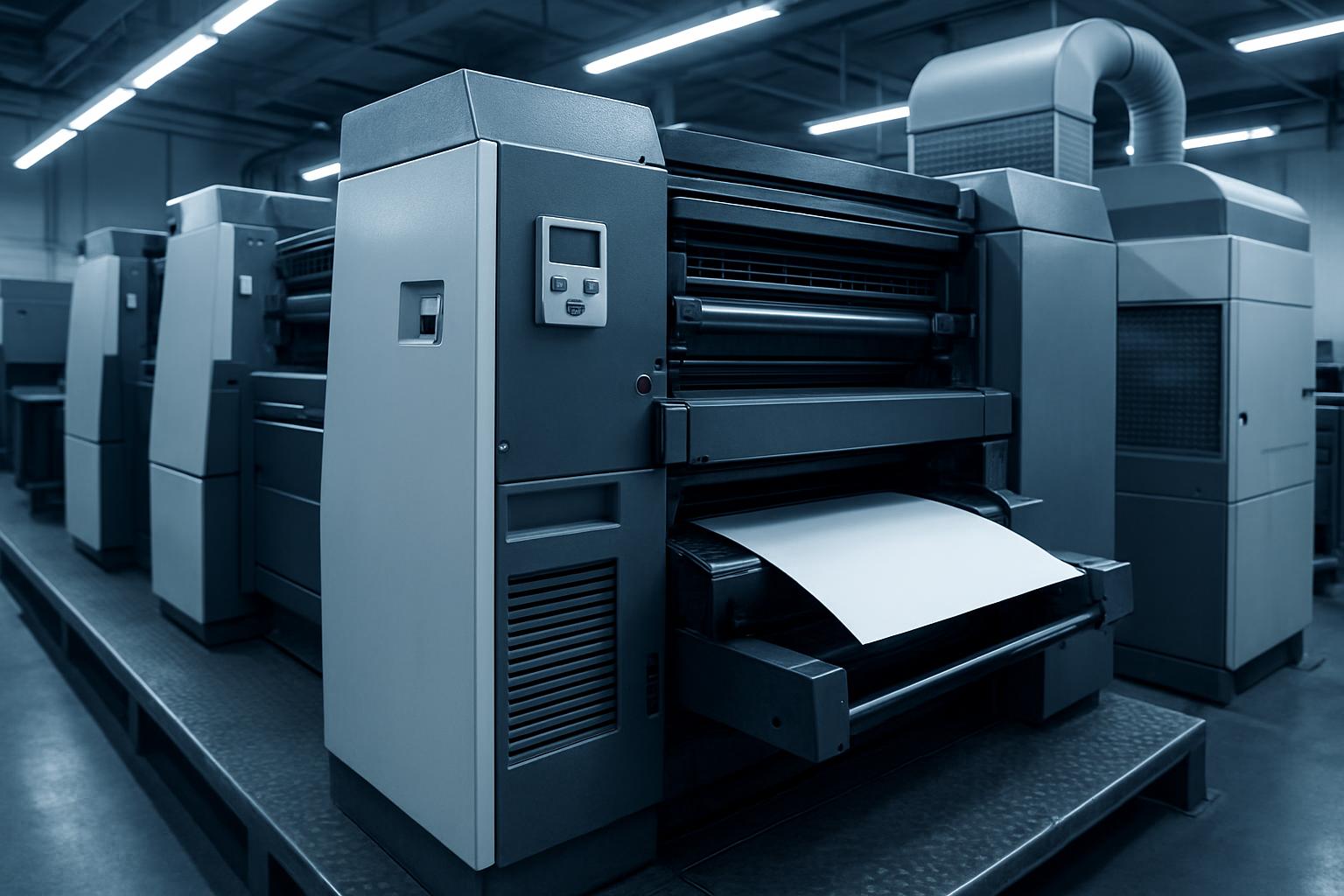
Folding routes for printed sections
Binding Path looks at the finishing routes used after sheets leave the press. It covers how books, reports and catalogues are folded, gathered, stitched or bound to match the job specification.
Begin with the flat size, pagination and chosen bind style. Section imposition, grain direction, cover board or cover stock, and the number of inserts all change how the bindery should be set up. In magazine, textbook, report and catalogue work, a good press run can still fail if the finishing order is vague.
Check the first folded and bound copy before the full pile moves forward. Creep, page sequence, spine squareness, stitch position and trim marks should be inspected while adjustments are still small. That early sample often shows problems that do not appear on the press sheet.
What the route must record
The binding path should name the section make-up, binding method and carton pack clearly. Include the finished size, bulk, spine width and whether copies need shrink-wrapping, labelling or split delivery. Production notes are most useful when they can be followed without guesswork at folding, stitching and packing.
Link Binding Path to the right production record before extra finishing is added. Recheck copy counts, edition splits and carton labels before goods leave dispatch. When you use the contact form, give the number of pages, trim size and current binding method.
- Section plan matched to final bind
- First folded copy checked at bench
- Carton labels checked against quantities
Bindery conditions in Gauteng
Jobs in Gauteng often move between press, finishing and dispatch on tight transport schedules. School books, publisher orders, corporate reports and retail catalogues may each need different packing patterns, pallet counts or delivery splits. Some arrive as new work, while others enter the bindery as a reprint with existing samples and packing notes.
Highveld dryness can increase static during folding and gathering. Coastal humidity may affect curl, glue performance and how covers sit on the text block. Load shedding and shift changes can interrupt binding sequences, which is why handover notes and count checks matter at every stage.
Operated by Astros Marketing (Pty) Ltd from 2 Makro Place, Sunnyrock 1401.
Job information that helps finishing
Send the trim size, page count, stock weights and any previous bind issue that needs attention. A photo of the folded section, spine or faulty trim can help show whether the problem sits with imposition, folding or binding.
File the approved sample with the job ticket, folding layout and paper specification. Keep the mock-up, cover artwork version and packing instruction together when sign-off is required for the next run.
What our Litho Printing customers say
Verified Google reviews