
Pressroom
Humidity Tips
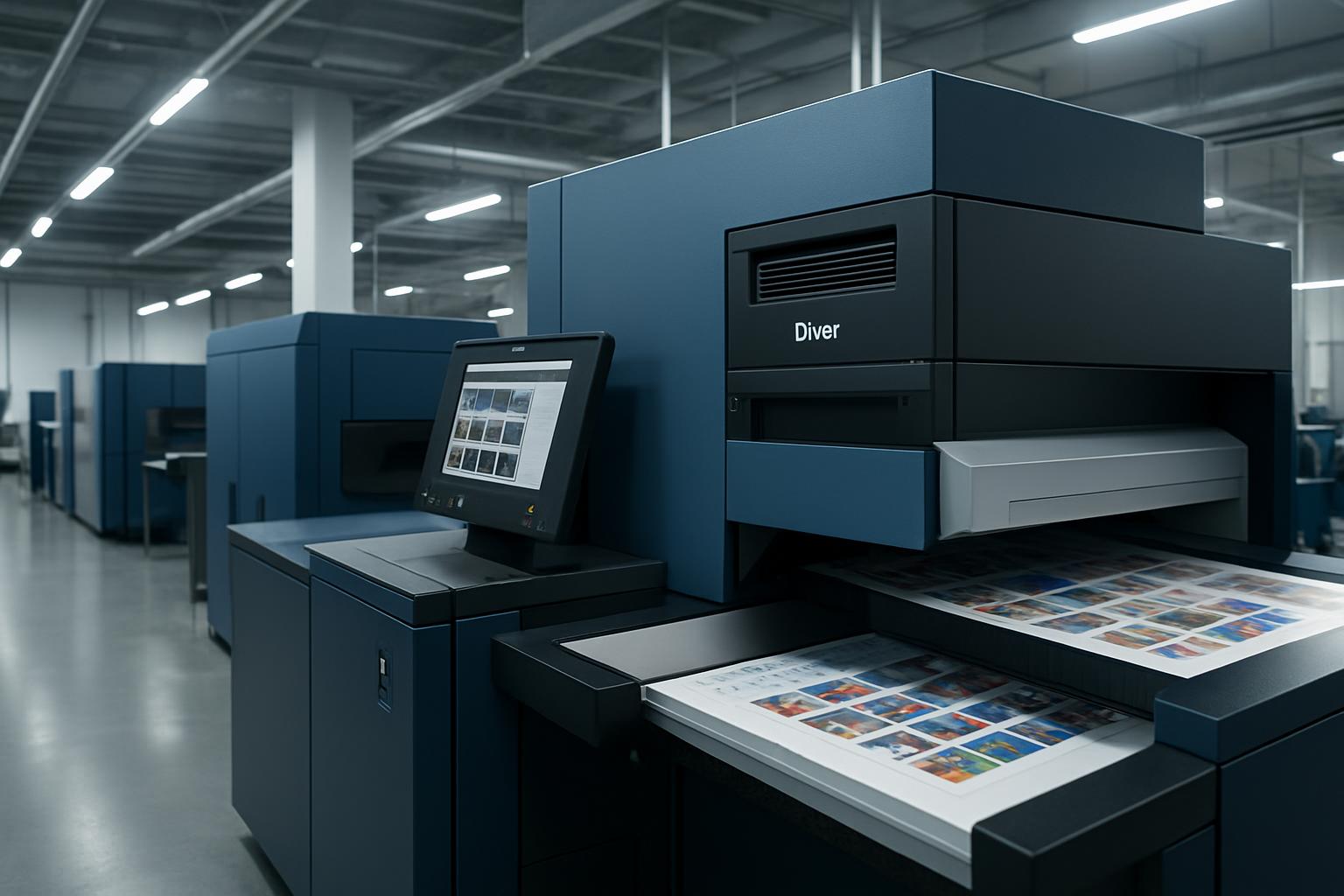
A practical pressroom note on humidity control to help paper lie flat and ink dry properly on litho runs.
Paper reacts to the room before it reaches the press. In South African print shops, dry air, damp stacks, and unopened wrapped stock can lead to curl, misfeed, or inconsistent colour. Humidity Tips covers the checks that help book, report, and catalogue runs stay steady.
In Gauteng, KwaZulu-Natal and the Western Cape, room moisture can shift quickly between storage, guillotine and press. Send your humidity query through the contact form and mention Humidity Tips.
Checks before wrapped stock is opened
- Room and stack condition noted
- Photo the pallet wrap and sheet edges
- Reference the active job pack, not a copied server location
- Keep names and titles in South African business style
Read this note alongside the press and paper records. One shows what the room was doing, while the other shows how the stock behaved once unwrapped. Together they help explain curl, feeder stops, marking or slow drying on the run.
Humidity issues during live runs
Paper reacts to moisture in the room, and that affects feeding, lay and drying on press.
Begin with the stock grade, sheet size, ink coverage and where the paper was stored overnight. Wrapped pallets moved from a cold store or a damp loading area need time to settle before cutting or printing. That matters on magazines, textbooks, reports and catalogues where consistent lay is needed across the whole run.
Check the first lift off press for edge curl, static, scuffing and set-off. A short note on room condition, pallet temperature and any fan or humidifier adjustment gives useful context later. Those records are often more helpful than memory when colour and feeding change during the day.
Key checks to monitor
You come away with a short list of paper and room checks tied to litho production. It covers acclimatising stock, watching stack condition, and spotting moisture-related faults before they spread through the job. Clear notes at makeready are worth more than vague comments after packing.
Use Humidity Tips with the related pressroom entries when paper behaviour becomes inconsistent. Before sheets move to finishing, inspect each pallet for wave, tight curl and any offsetting between lifts. Offset quotes need the page count, trim size, stock and print run for the magazine, textbook or catalogue.
- Paper checks matched to litho sheet handling
- First pallet condition recorded at opening
- Room readings kept with job notes
South African pressroom conditions to watch
Inland dry air can increase static and edge curl, especially after wrapped stock is opened too quickly. Coastal damp can soften stacks, slow ink drying and change how sheets travel through delivery. These differences show up on school books, annual reports and catalogues long before the bindery sees them.
Humidity affects feeding, register, powder use and the way fresh ink sets on the pile. Paper stored near loading bays, windows or unconditioned rooms can take on moisture unevenly across the stack. Power cuts and overnight shutdowns can also change room conditions between shifts, so morning checks matter.
Operated by Astros Marketing (Pty) Ltd from 2 Makro Place, Sunnyrock 1401.
Job notes worth writing down
A practical pressroom note on humidity control to help paper lie flat and ink dry properly on litho runs.
Record the date, press, stock description and what the sheet edges looked like when the wrap came off. Keep the note with the job bag, press sheets and any paper labels so production, procurement or management can trace what happened on the run.
What our Litho Printing customers say
Verified Google reviews