
Pressroom
Highveld Dust
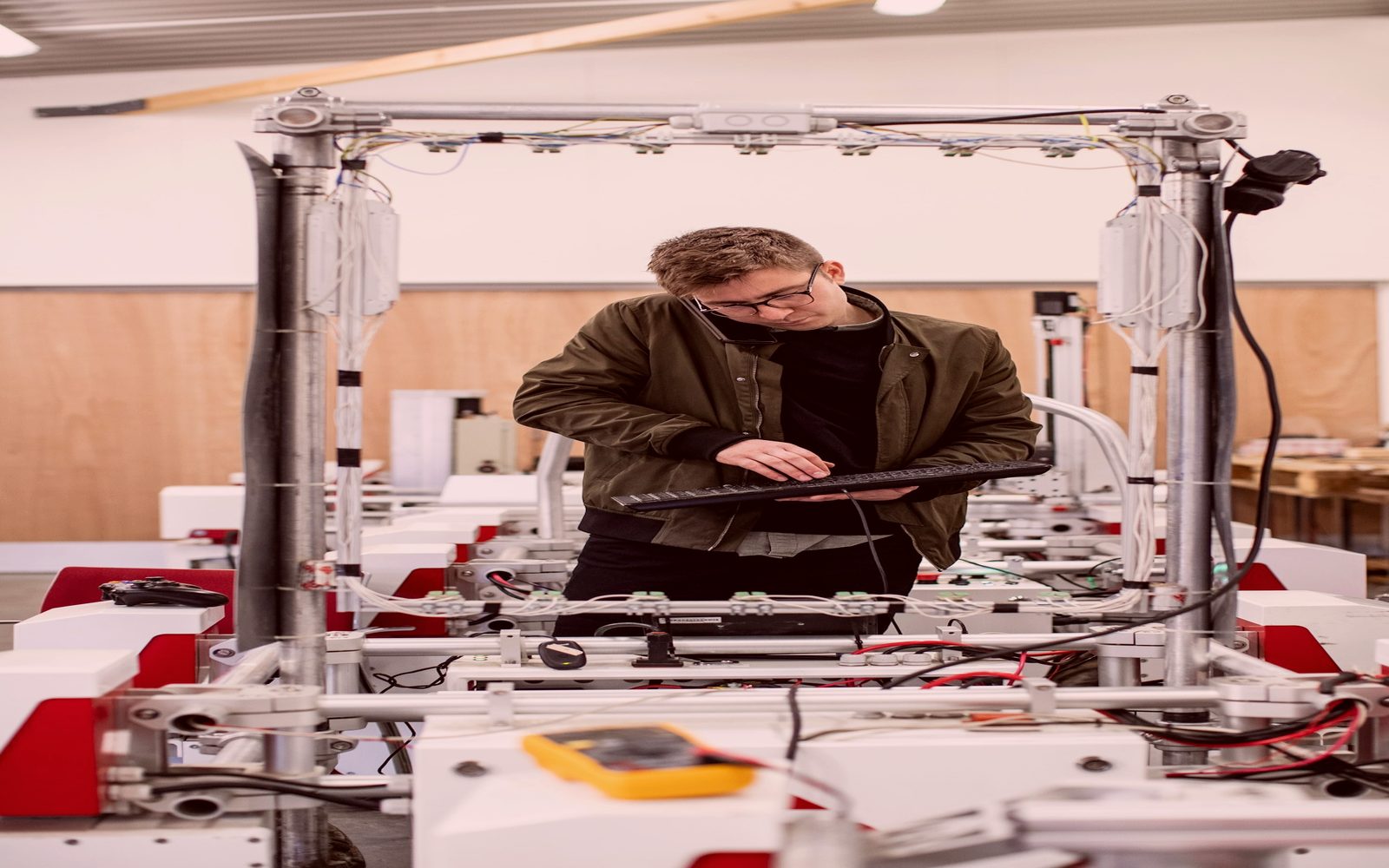
Highveld dust shows on dark covers and gloss sections, so wrapped pallets and clean packing matter.
Fine dust can affect print quality, machine cleaning and the look of packed work, especially in drier inland conditions. Highveld Dust focuses on prevention steps around paper storage, press areas, trimming and carton packing for cleaner finished jobs.
Dark covers, gloss signatures and freshly trimmed edges pick up Highveld dust quickly, especially around Gauteng in dry spells. For specific queries, use the contact form and mention Highveld Dust.
Dust checks before sheetfed runs
- Wrapped pallets checked on arrival
- Photograph dust marks on covers or gloss sections
- Reference the active job folder with stock details
- Keep names and titles in SA business form
Packing condition matters as much as press output when airborne dust is visible on the job. A short record of wrap damage, open cartons or dusty storage areas helps explain marks that appear after printing rather than on press.
How Highveld Dust affects paper handling on site
Highveld dust can show badly on dark covers, gloss pages and freshly packed work. This note looks at wrapping, storage and packing checks that help protect printed jobs before they leave for delivery.
Begin with the stock type, ink coverage and where the printed work will show contamination most easily. Matte and gloss coated sheets, dark solids, laminated covers and section-sewn textbooks each reveal dust in different ways. Storage location, pallet wrapping and the route from press to guillotine should be noted before the run starts.
Pull the first clean packed sample aside before full quantity is stacked. That sample should note whether dust is showing on black areas, varnished pages, trimmed heads or carton tops. Early checking limits avoidable marking once piles move to finishing and dispatch.
Dust basics
Highveld Dust focuses on keeping printed sheets, covers and cartons cleaner where fine dust settles fast and shows badly on darker work.
Pair Highveld Dust with the relevant pressroom and packing records before changing materials or handling steps. Recheck pallet wrap, carton interiors and label accuracy before goods leave site. For dust questions on the Highveld, use the contact form.
- Storage and packing checks for dusty conditions
- First clean sample held before full packing
- Current job details sent with the enquiry
Inland print conditions that matter
Textbook quantities, magazine sections, annual reports and catalogues all react differently when dry airborne dust enters the workflow. Large black areas on covers show specking first, while gloss sections and trimmed edges often reveal handling residue later. Separate high-risk work from open storage, waste paper and busy dispatch zones where dust is stirred up repeatedly.
Dry Highveld weather can increase static, attract fine particles to sheets and make unpacked pallets vulnerable. Dust then travels from paper stores to feeder piles, cutter tables and packed cartons if cleaning routines slip. Press output may be sound while the finished load still leaves site marked.
Operated by Astros Marketing (Pty) Ltd from 2 Makro Place, Sunnyrock 1401.
Highveld Dust handling notes
Highveld dust shows on dark covers and gloss sections, so wrapped pallets and clean packing matter.
File the observation while the stock, wrap and packing materials are still on hand for checking. Keep it with the job ticket, paper specification and any photos of affected covers, gloss pages or dusty cartons.
What our Litho Printing customers say
Verified Google reviews