
Bindery
Starter Floor
An entry-level bindery route for local book, report, and catalogue finishing teams who know how production runs on press.
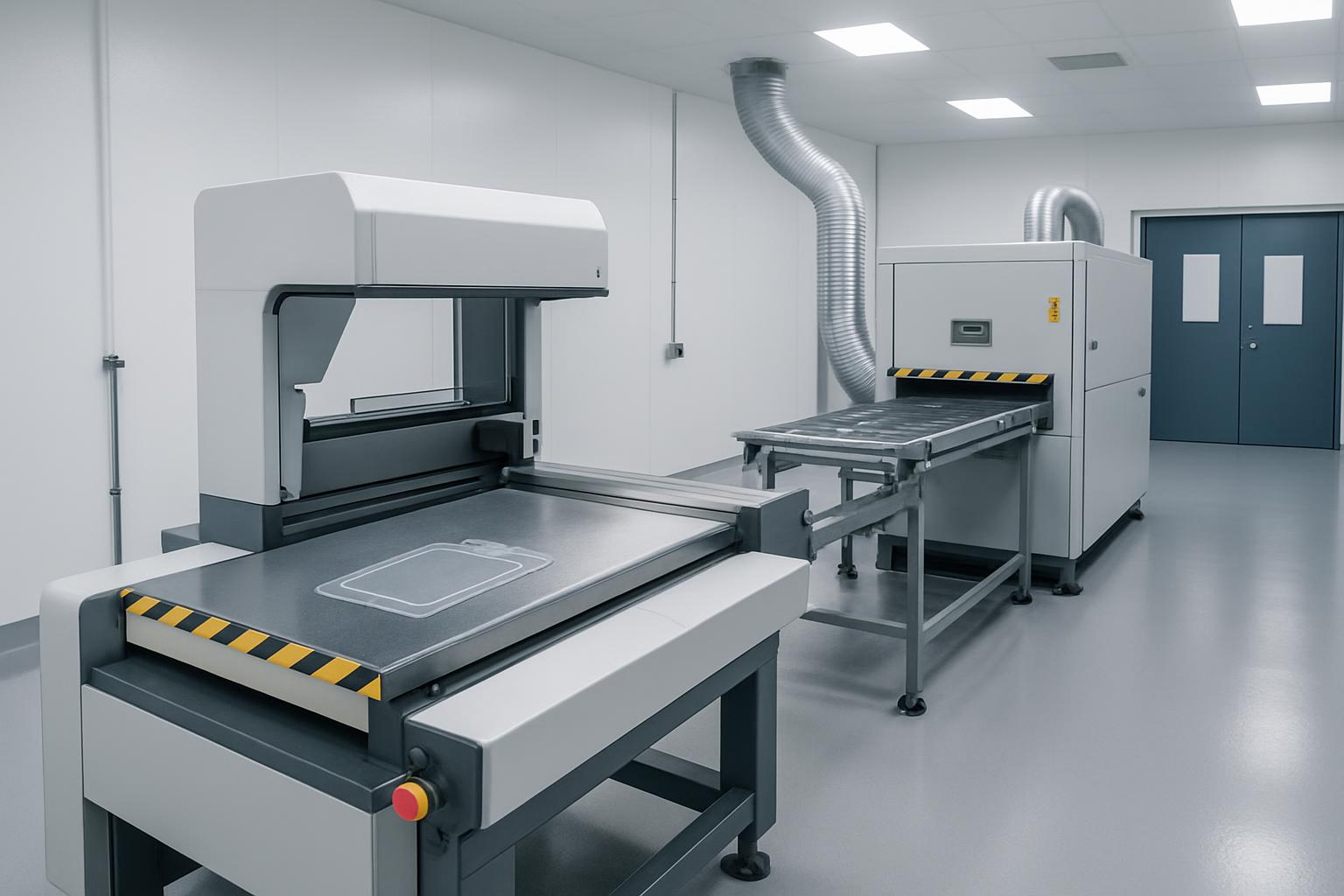
How Starter Floor prepares new bindery operators
Starter Floor is for teams who understand printed work from press but need a simpler bindery route to follow. It covers the finishing basics for local book, report, and catalogue jobs without adding unnecessary steps.
Set out the trim size, extent, binding type, and packed quantity before any finishing starts. For books, reports, and catalogues, details like section imposition, cover board or cover stock, creep allowance, and carton count shape the handover from press to bindery. In South African production, that planning matters when sheetfed work must move cleanly into folding, gathering, stitching, or perfect binding.
Pull a signed first sample before the full run moves to folding, stitching, or trimming. That sample should show trim size, page order, spine treatment, and any cover scuffing or creep worth watching. One marked copy in the docket helps new operators catch repeats before pallets are packed out.
Checks new operators must keep
By the end, your team should have a short route sheet for the exact work being finished, with checkpoints that match the stock and binding style. The aim is to make everyday bindery decisions easier on textbook, annual report, and catalogue runs. Fewer unclear handovers means fewer mixed sections, skew folds, and wrong labels at dispatch.
Link this starter route to the correct bindery instruction and one pressroom record before extra finishing is added. Recount bundles, confirm carton labels, and compare the sample against the live setup before release to dispatch.
- Route sheet for current book or report work
- Signed first sample with marked checks
South African bindery conditions
We factor in schoolbook volumes, magazine issue dates, annual report sign-off, and catalogue quantities that still require exact folding, collating, binding, and packing. Starter material should still match repeat commercial work, especially where section order, spine width, or insert placement can cause waste. Keep short reprints and urgent top-ups apart from the main weekly schedule so finishing errors do not spread across the batch.
Highveld dryness can increase static on lighter text stocks, while coastal moisture can affect curl and knife performance. Load shedding and restart gaps may interrupt collating order or leave partly finished stacks waiting too long. Those conditions matter when setting up repeatable checks for trimming, gathering, and packing.
Operated by Astros Marketing (Pty) Ltd from 2 Makro Place, Sunnyrock 1401.
Starter route briefing points
Brief Starter Floor with file status, quantity, finishing needed, and what has already gone wrong. Use a clear subject line.
Keep the marked sample with the docket, imposition printout, and paper specification on the same day the issue is raised. That record is useful when a report cover cracks on the hinge, a catalogue trims undersize, or a stitched book opens with the wrong pagination. One complete pack gives the next operator a reliable starting point.
What our Litho Printing customers say
Verified Google reviews